

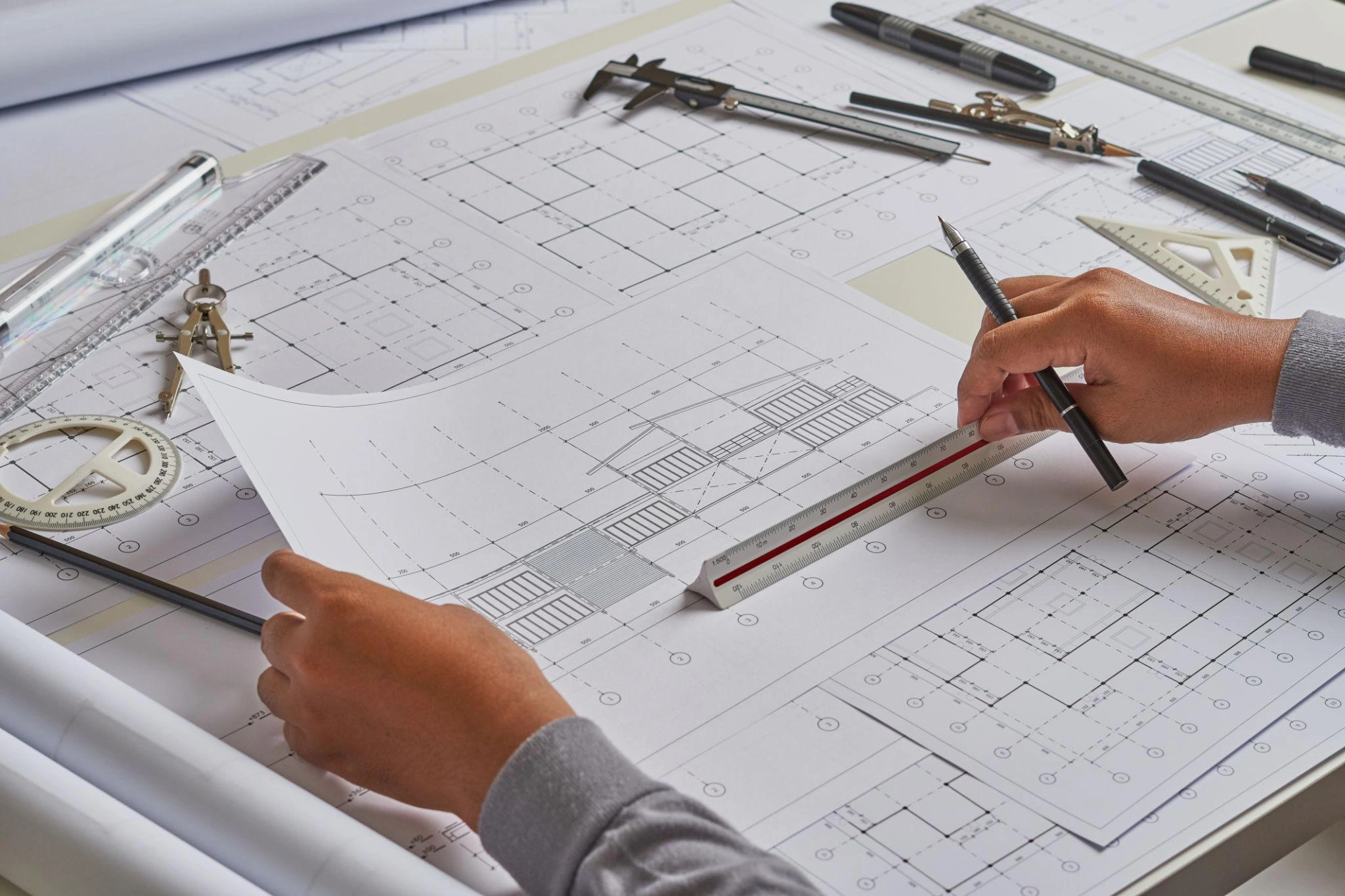
The Process of Architectural Design: From Concept to Construction
Architectural design is a journey that transforms ideas into reality. It involves creativity, technical knowledge, and strategic planning.
“Every great building begins with a single idea.”
Let’s explore the step-by-step process that architects follow to bring projects to life.
Understanding Client Requirements
The first step is understanding the client’s vision, needs, and budget.
This stage involves discussions, site visits, and research to gather essential information.
Concept Development
Architects create initial design concepts based on requirements.
Sketches, mood boards, and references help visualize the idea.
Site Analysis
Every project site is unique. Factors like climate, topography, and surroundings influence the design.
Proper analysis ensures efficient and sustainable solutions.
Design Planning
Detailed plans are created, including layouts, elevations, and structural systems.
This stage defines how the building will look and function.
3D Visualization and Presentation
Modern tools allow architects to present designs using 3D models and walkthroughs.
Clients can experience the space before construction begins.
Approval and Documentation
Before construction, designs must comply with local regulations and approvals.
Detailed drawings and documents are prepared for execution.
Construction Phase
This is where the design comes to life. Architects collaborate with engineers and contractors to ensure accuracy.
Regular site visits maintain quality control.
Interior and Finishing
After structural completion, interiors are designed to enhance aesthetics and usability.
Material selection, lighting, and furniture play a key role.
Final Handover
Once the project is completed, it is handed over to the client.
Post-completion support ensures long-term satisfaction.
Conclusion
Architectural design is a comprehensive process that combines creativity with precision.
From concept to construction, every step plays a vital role in creating functional and inspiring spaces.


Add a comment