

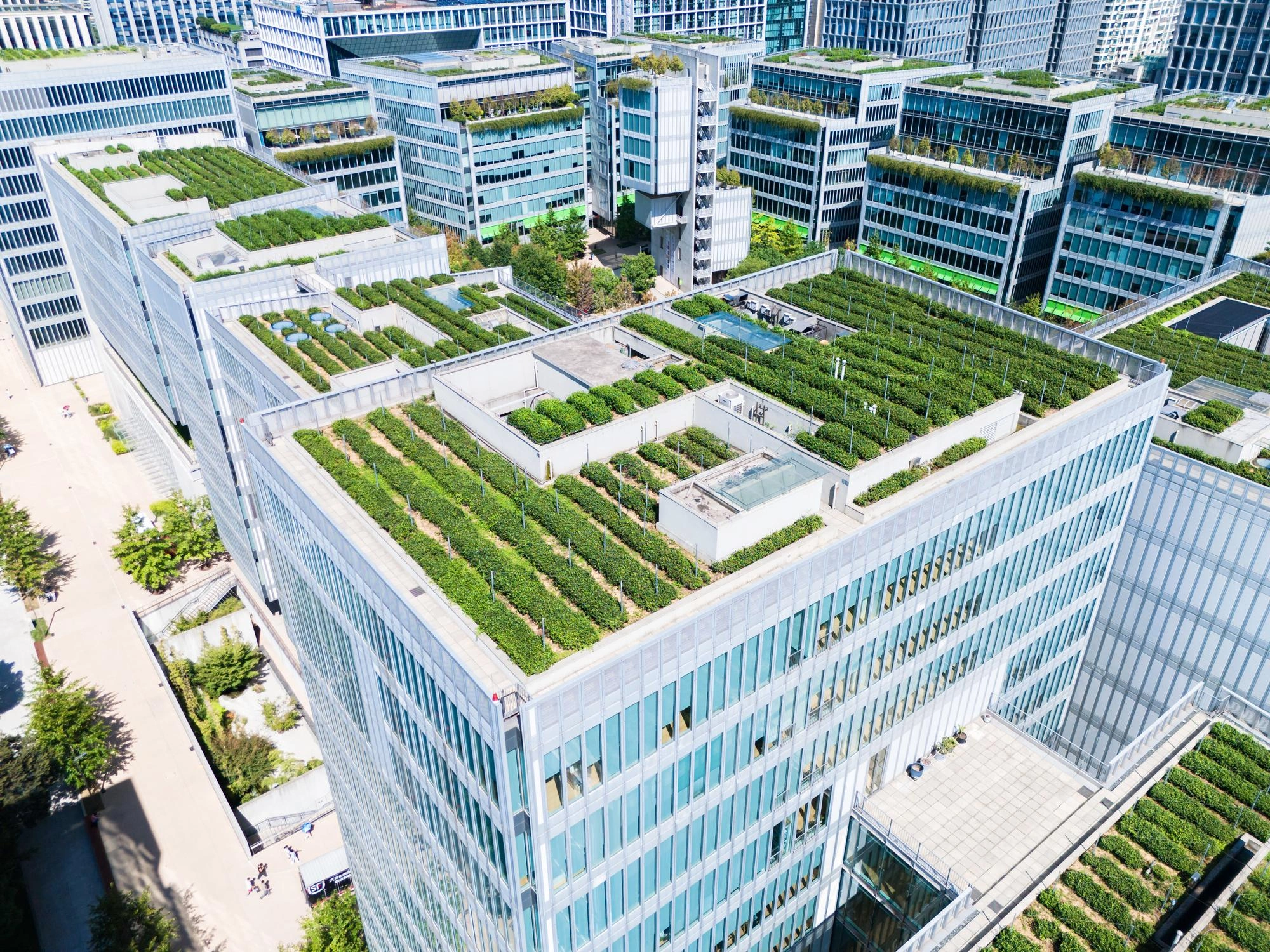
10 Modern Architecture Trends Shaping the Future of Urban Living
Architecture is no longer just about buildings—it is about shaping how we live, work, and interact. As cities expand and technology evolves, modern architecture is rapidly transforming into something more intelligent, sustainable, and human-centric.
“Architecture should speak of its time and place, but yearn for timelessness.”
Douglas Lyphe

In this blog, we explore the latest architectural trends that are redefining urban living and influencing the future of design.
The Rise of Sustainable Architecture
Sustainability is no longer optional—it is essential. Architects today focus on reducing environmental impact through green building materials, solar integration, and energy-efficient systems.
From rainwater harvesting to passive cooling techniques, sustainable architecture ensures that buildings coexist with nature rather than harm it.
Smart Buildings and AI Integration
Technology is becoming an integral part of architecture. Smart buildings use automation systems, sensors, and artificial intelligence to optimize lighting, temperature, and security.
This not only enhances user comfort but also significantly reduces energy consumption.
Minimalism and Functional Design
Modern architecture embraces the philosophy of “less is more.” Clean lines, open spaces, and clutter-free designs are dominating both residential and commercial spaces.
Minimalism enhances functionality while maintaining aesthetic appeal.
Biophilic Design: Connecting Nature and Space
Biophilic design integrates natural elements like plants, water features, and natural light into built environments.
This approach improves mental well-being, productivity, and overall quality of life.
Adaptive Reuse of Buildings
Instead of demolishing old structures, architects are now transforming them into modern functional spaces.
Warehouses are becoming offices, factories are turning into art galleries—this trend preserves history while embracing innovation.
Modular and Prefabricated Construction
Speed and efficiency are key in modern construction. Prefabricated components reduce construction time and cost while maintaining quality.
This trend is especially useful in urban housing and large-scale projects.
Urban Vertical Living
With limited land availability, cities are growing vertically. High-rise buildings with integrated amenities are becoming the norm.
Vertical living maximizes space while offering modern lifestyle conveniences.
Focus on User Experience
Architecture today is more human-centric. Designers prioritize how people feel and interact within a space.
Lighting, ventilation, acoustics, and spatial flow are carefully planned to enhance comfort.
Digital Design and 3D Visualization
Advanced tools like 3D modeling and virtual reality allow clients to visualize projects before construction begins.
This reduces errors and improves design accuracy.
Conclusion
Modern architecture is evolving beyond aesthetics. It is becoming smarter, greener, and more responsive to human needs.
As cities continue to grow, these trends will play a crucial role in shaping a sustainable and innovative future.
Add a comment